Designing worlds first AI-powered Smart Driving Challenge
FIA partnered with Greater Than to explore how AI-driven risk models could be used to improve road safety and driving behavior. As UX/UI designer, I led the redesign of a legacy driving app into a sport-driven, FIA-aligned product, balancing rapid client delivery, safety-critical UX, and the challenge of translating complex AI data into meaningful feedback.
Challenge
The project ran in a fast-paced, client-driven environment built on an aging technical stack, where business growth and public demos often took priority over deeper product refinements. The AI models produced rich risk and scoring data that worked well for B2B stakeholders, but were harder to interpret for drivers — especially in a safety-critical, in-car context. At the same time, the product needed to evolve visually and experientially to reflect FIA’s identity as a high-performance, world-class motorsport brand, without becoming distracting or unsafe during driving.
The project ran in a fast-paced, client-driven environment built on an aging technical stack, where business growth and public demos often took priority over deeper product refinements. The AI models produced rich risk and scoring data that worked well for B2B stakeholders, but were harder to interpret for drivers — especially in a safety-critical, in-car context. At the same time, the product needed to evolve visually and experientially to reflect FIA’s identity as a high-performance, world-class motorsport brand, without becoming distracting or unsafe during driving.
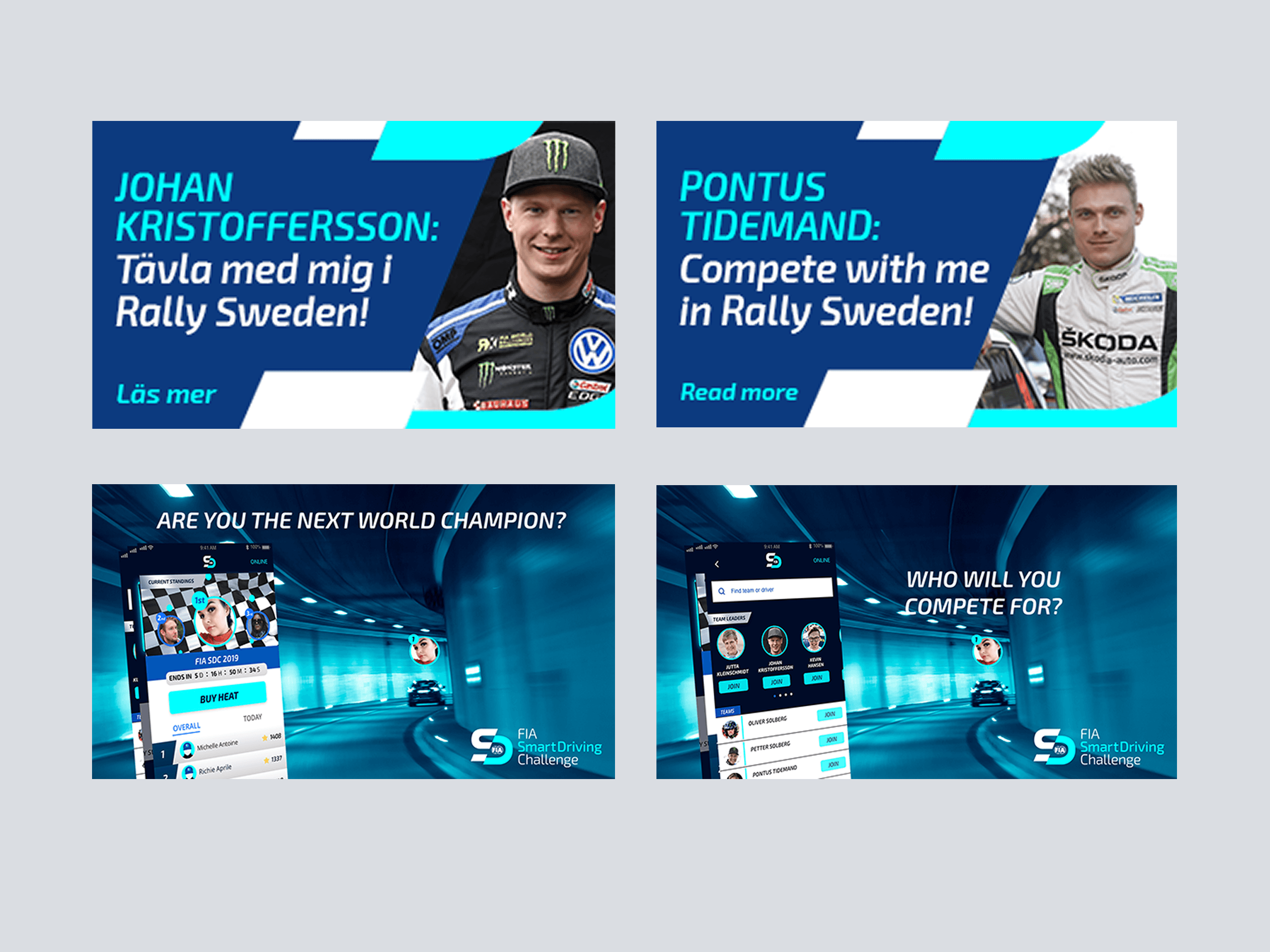
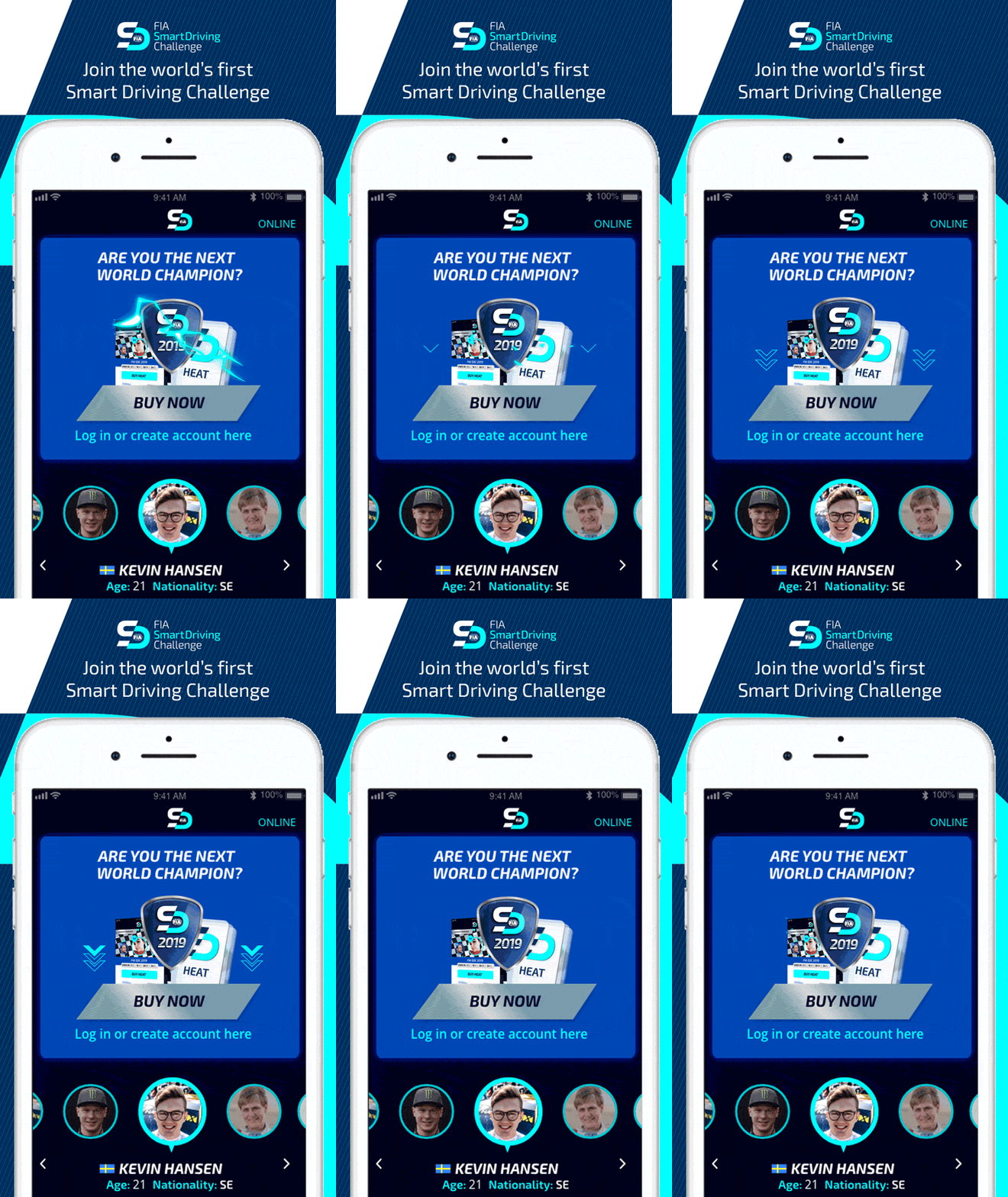
Online banners
Online banners
Approach
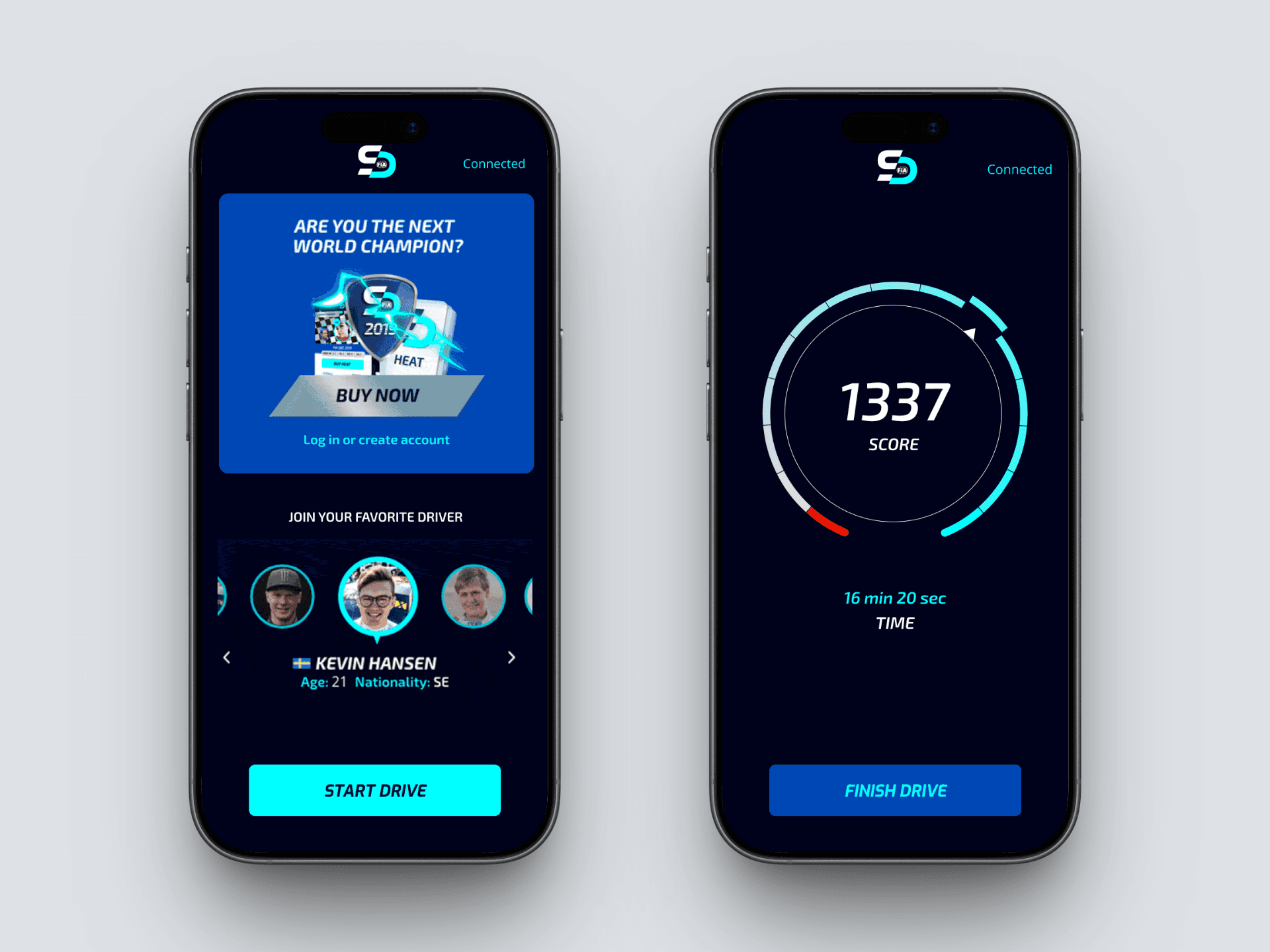
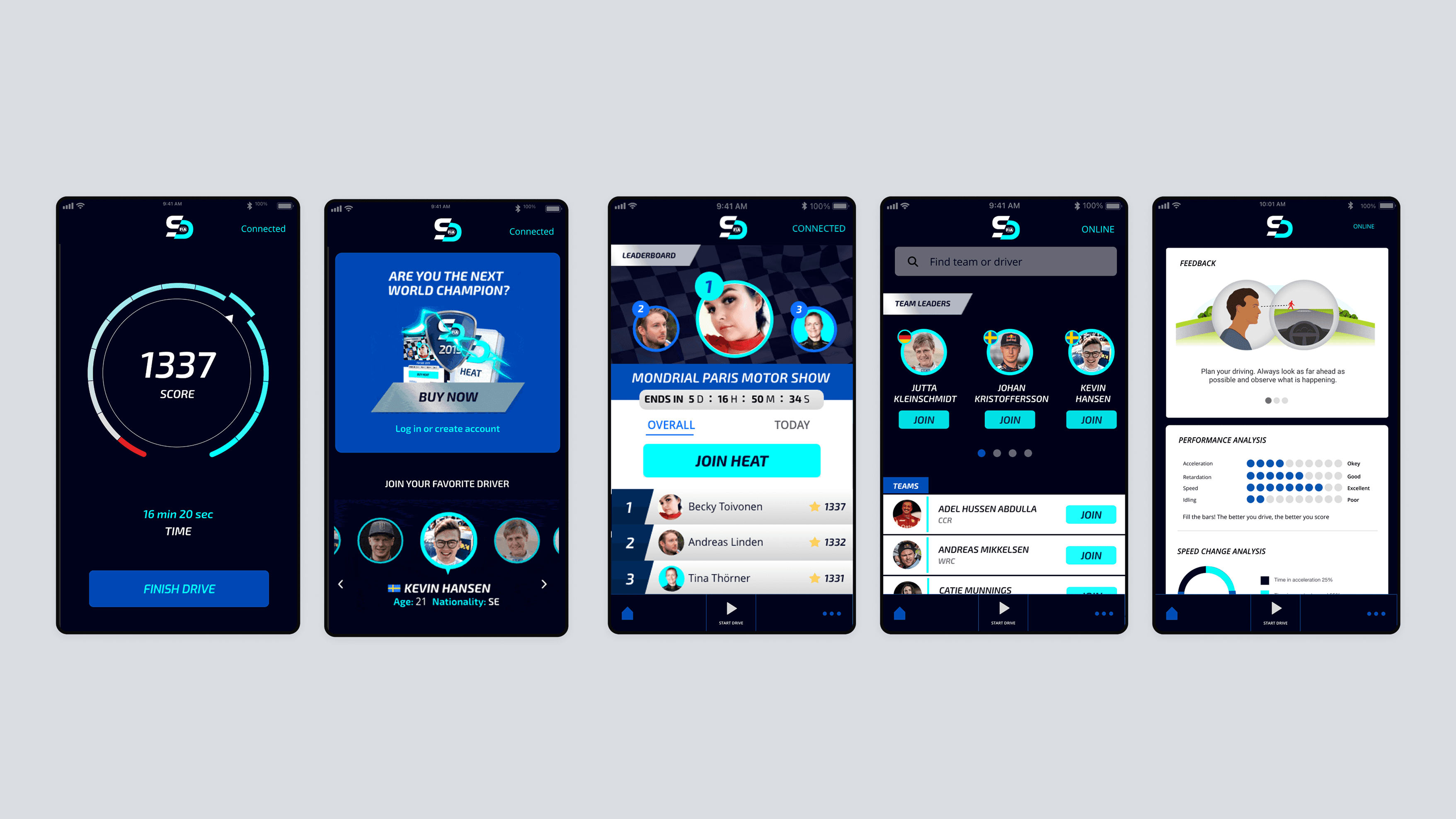
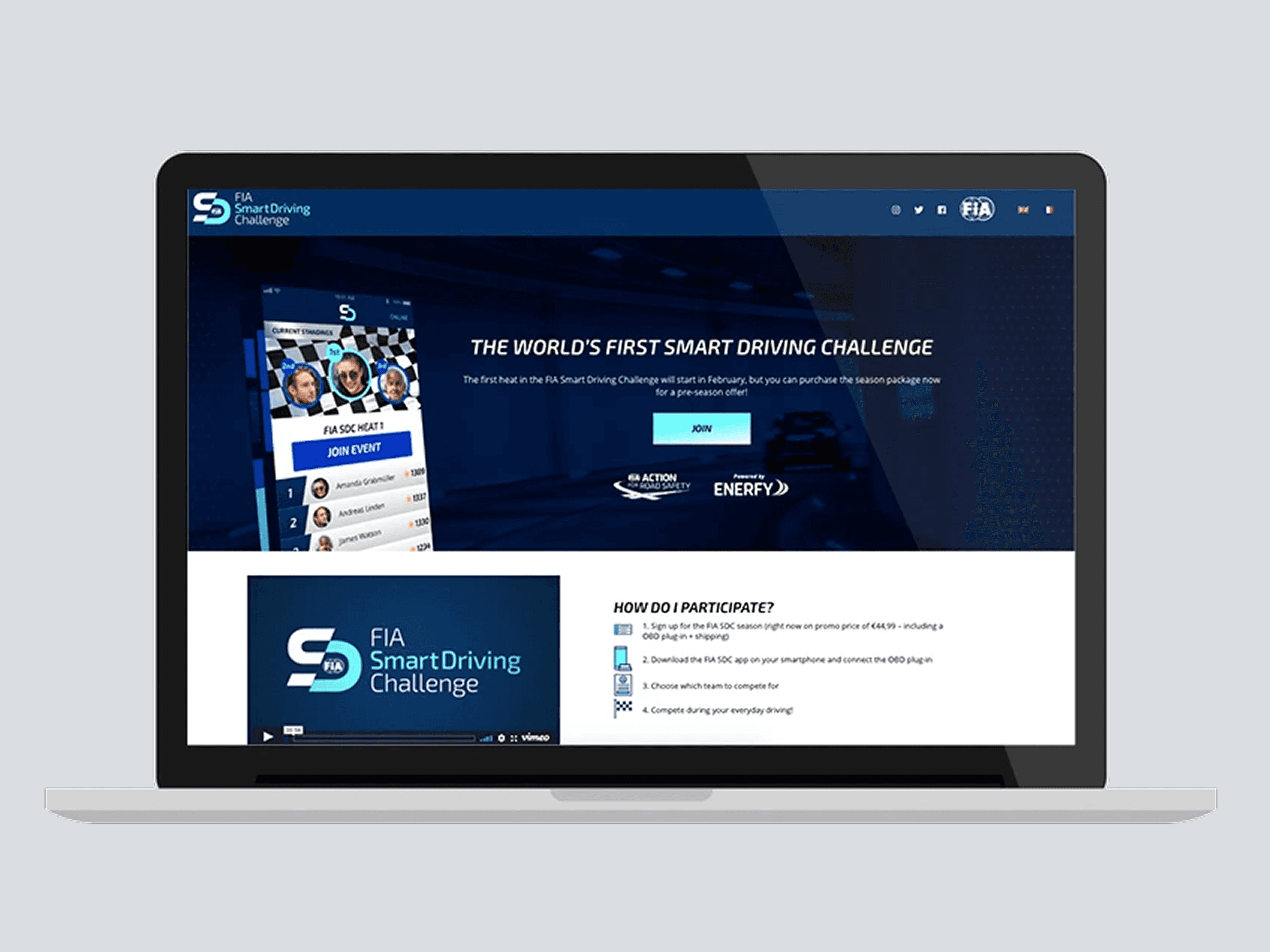
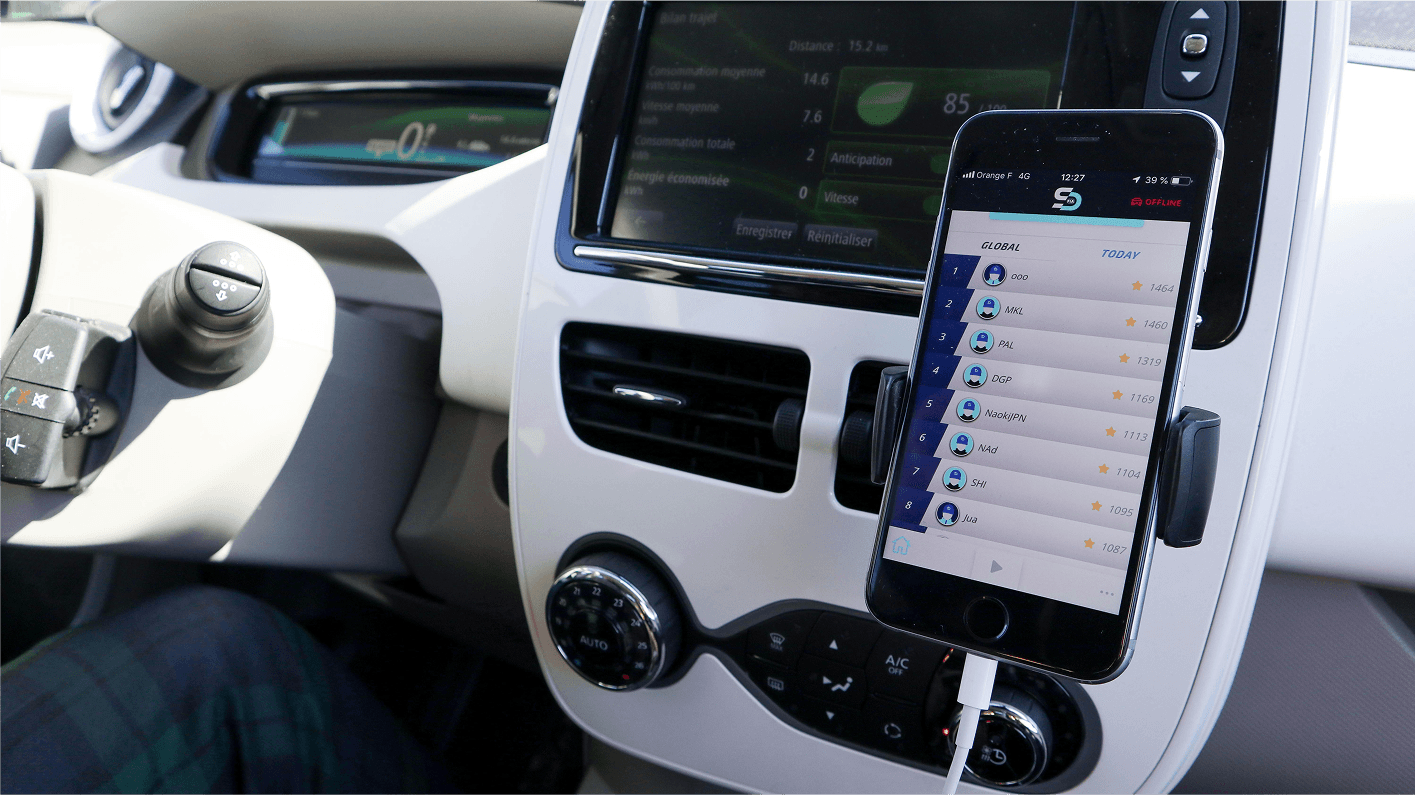
I approached the project by balancing rapid delivery with responsible design decisions in an early-stage product context. I led the UX, UI, and visual direction of a legacy app makeover, shifting the experience toward a more sport-driven, performance-focused product aligned with FIA’s brand, while continuously shipping client-ready prototypes to support business growth. The work prioritized road safety and low-distraction interactions, carefully limiting in-motion feedback and translating AI-driven risk and scoring data into clear, actionable signals rather than raw metrics. In parallel, I initiated a modular, white-label design approach to support fast client customization, and designed supporting visual assets — including event and marketing material for the FIA Smart Driving Challenge — to ensure consistent product communication across digital channels, demos, and public launch.
I approached the project by balancing rapid delivery with responsible design decisions in an early-stage product context. I led the UX, UI, and visual direction of a legacy app makeover, shifting the experience toward a more sport-driven, performance-focused product aligned with FIA’s brand, while continuously shipping client-ready prototypes to support business growth. The work prioritized road safety and low-distraction interactions, carefully limiting in-motion feedback and translating AI-driven risk and scoring data into clear, actionable signals rather than raw metrics. In parallel, I initiated a modular, white-label design approach to support fast client customization, and designed supporting visual assets — including event and marketing material for the FIA Smart Driving Challenge — to ensure consistent product communication across digital channels, demos, and public launch.
Key tentions:
• Speed of client delivery vs. long-term usability improvements • AI accuracy vs. human interpretability • Sport-driven visual identity vs. safety-critical interaction design • Business growth needs vs. technical and product maturity
• Speed of client delivery vs. long-term usability improvements • AI accuracy vs. human interpretability • Sport-driven visual identity vs. safety-critical interaction design • Business growth needs vs. technical and product maturity
Design approach:
• Design for the product’s stage, not an ideal end state • Modular and white-label thinking • Translate AI outputs into actionable signals • Safety-first interaction design
• Design for the product’s stage, not an ideal end state • Modular and white-label thinking • Translate AI outputs into actionable signals • Safety-first interaction design
I approached the project by balancing rapid delivery with responsible design decisions in an early-stage product context. I led the UX, UI, and visual direction of a legacy app makeover, shifting the experience toward a more sport-driven, performance-focused product aligned with FIA’s brand, while continuously shipping client-ready prototypes to support business growth. The work prioritized road safety and low-distraction interactions, carefully limiting in-motion feedback and translating AI-driven risk and scoring data into clear, actionable signals rather than raw metrics. In parallel, I initiated a modular, white-label design approach to support fast client customization, and designed supporting visual assets — including event and marketing material for the FIA Smart Driving Challenge — to ensure consistent product communication across digital channels, demos, and public launch.
Approach
Impact and learnings
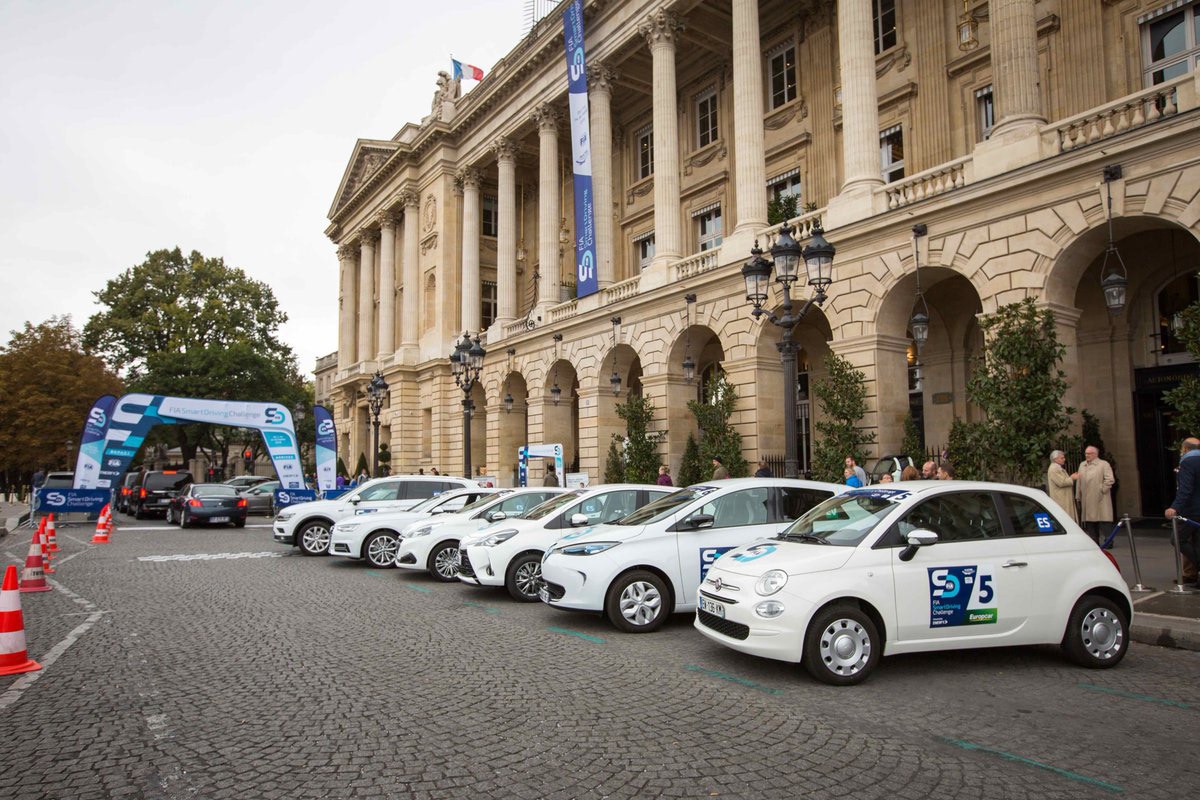
The work supported the launch of the FIA Smart Driving Challenge and was presented publicly at the initiative’s opening event in Paris. Multiple client-facing prototypes were delivered to demonstrate the value of AI-driven risk scoring in real-world contexts, helping FIA and partners explore how data-driven insights could support safer driving behavior. Longer-term, the project gave me deep experience in designing for AI systems under uncertainty, navigating technical debt, and understanding the trade-offs between speed, usability, and product quality. It shaped how I think about behavioral design, safety-critical UX, and the importance of choosing where to invest design effort when time and technology are limited.
The work supported the launch of the FIA Smart Driving Challenge and was presented publicly at the initiative’s opening event in Paris. Multiple client-facing prototypes were delivered to demonstrate the value of AI-driven risk scoring in real-world contexts, helping FIA and partners explore how data-driven insights could support safer driving behavior. Longer-term, the project gave me deep experience in designing for AI systems under uncertainty, navigating technical debt, and understanding the trade-offs between speed, usability, and product quality. It shaped how I think about behavioral design, safety-critical UX, and the importance of choosing where to invest design effort when time and technology are limited.
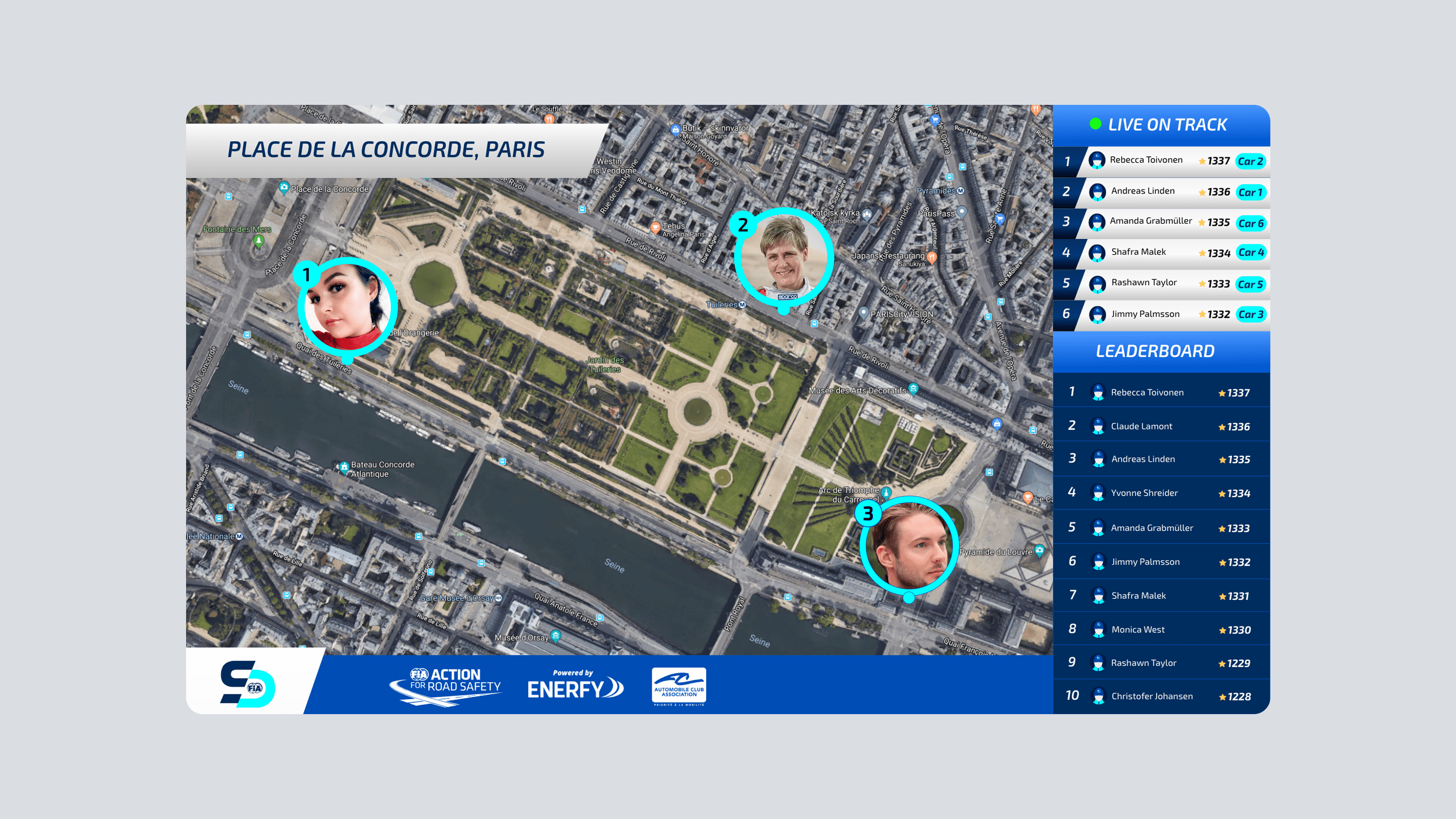
The work supported the launch of the FIA Smart Driving Challenge and was presented publicly at the initiative’s opening event in Paris. Multiple client-facing prototypes were delivered to demonstrate the value of AI-driven risk scoring in real-world contexts, helping FIA and partners explore how data-driven insights could support safer driving behavior. Longer-term, the project gave me deep experience in designing for AI systems under uncertainty, navigating technical debt, and understanding the trade-offs between speed, usability, and product quality. It shaped how I think about behavioral design, safety-critical UX, and the importance of choosing where to invest design effort when time and technology are limited.
Impact and learnings
More projects

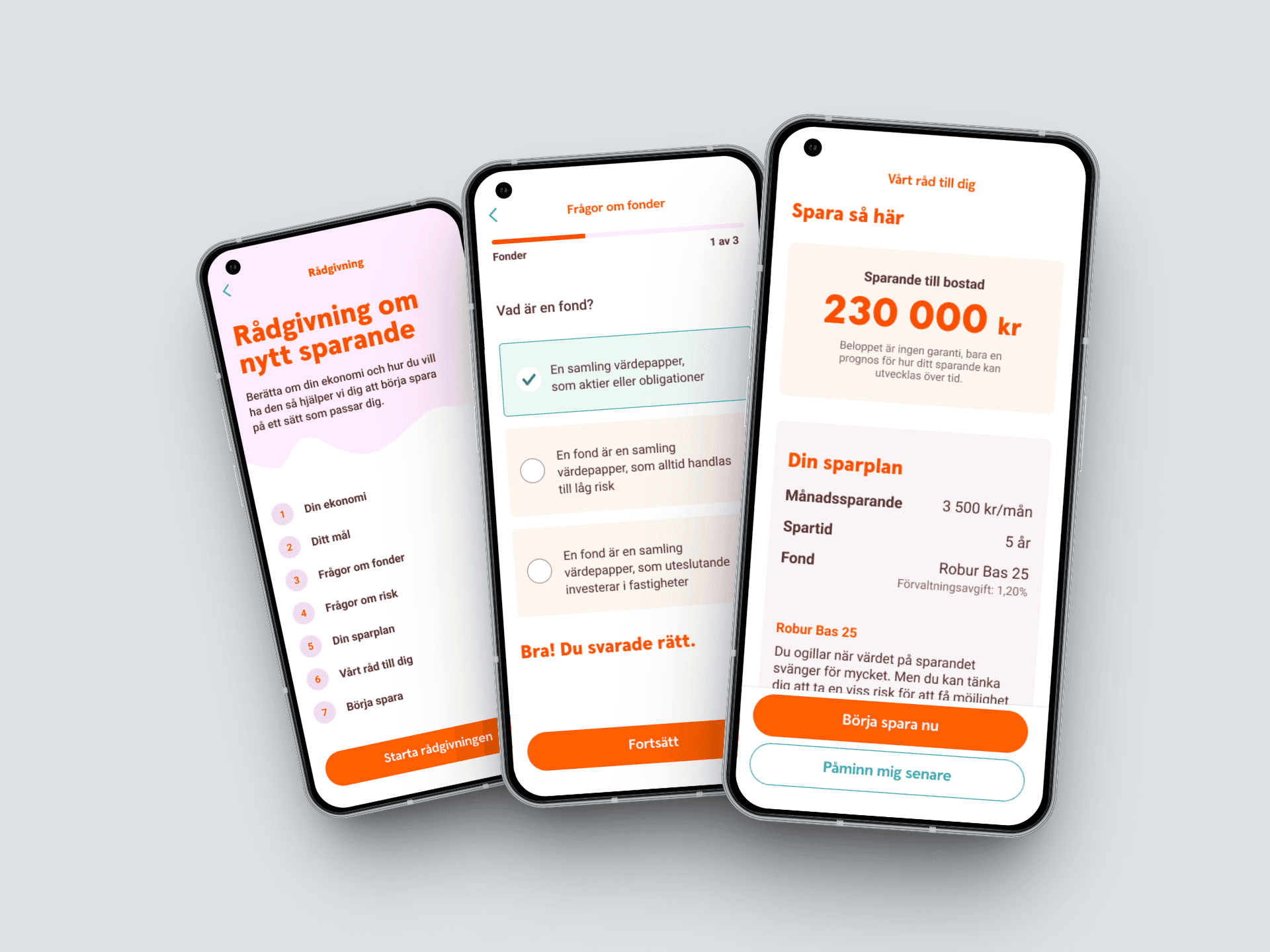
Designing Swedbank's first digital savings advisory experience
Driving UX for regulated financial advisory flows

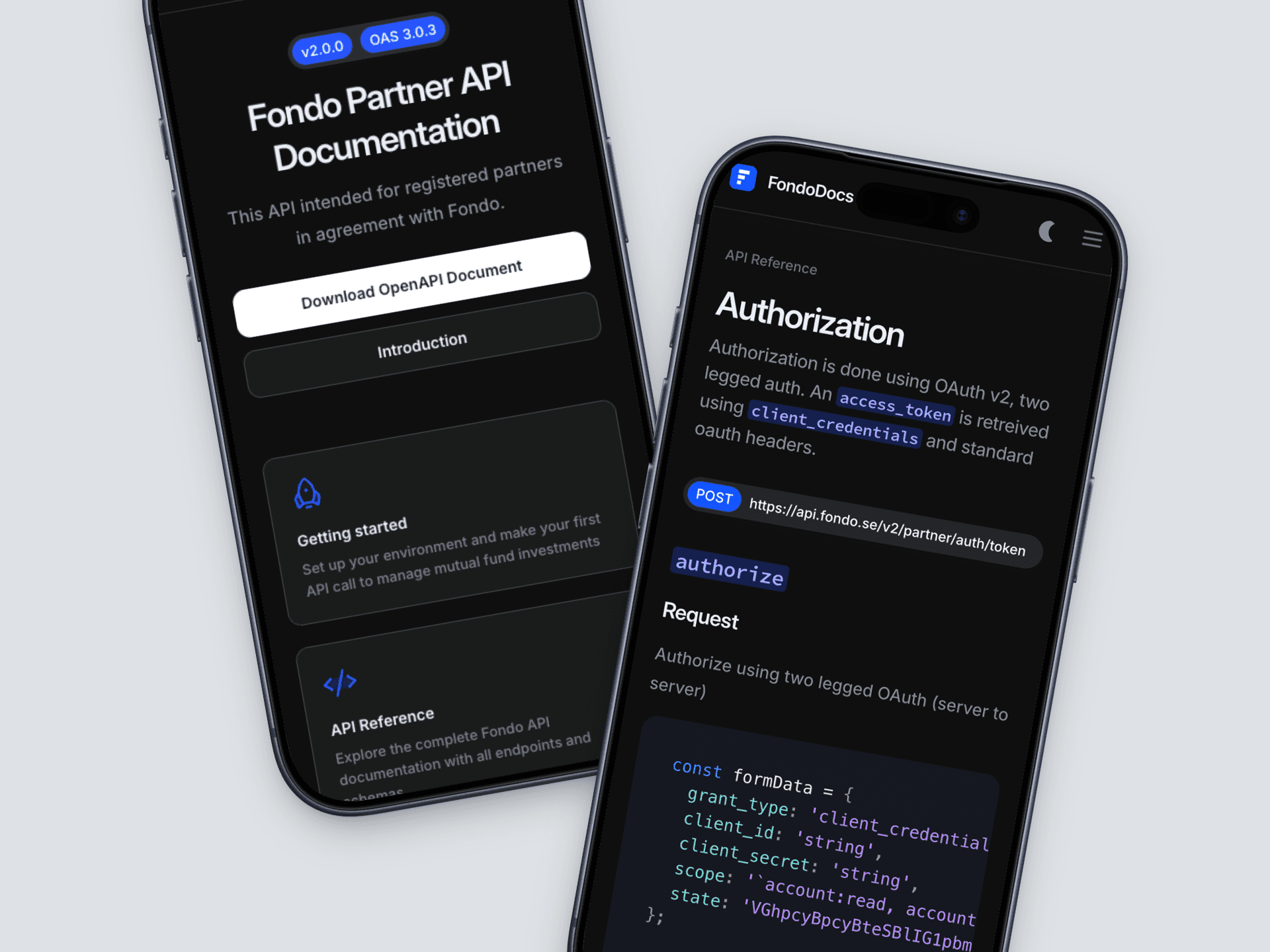
Redesigning and relaunching Fondo’s API Docs
Led a product-led redesign to improve UX, DX and onboarding
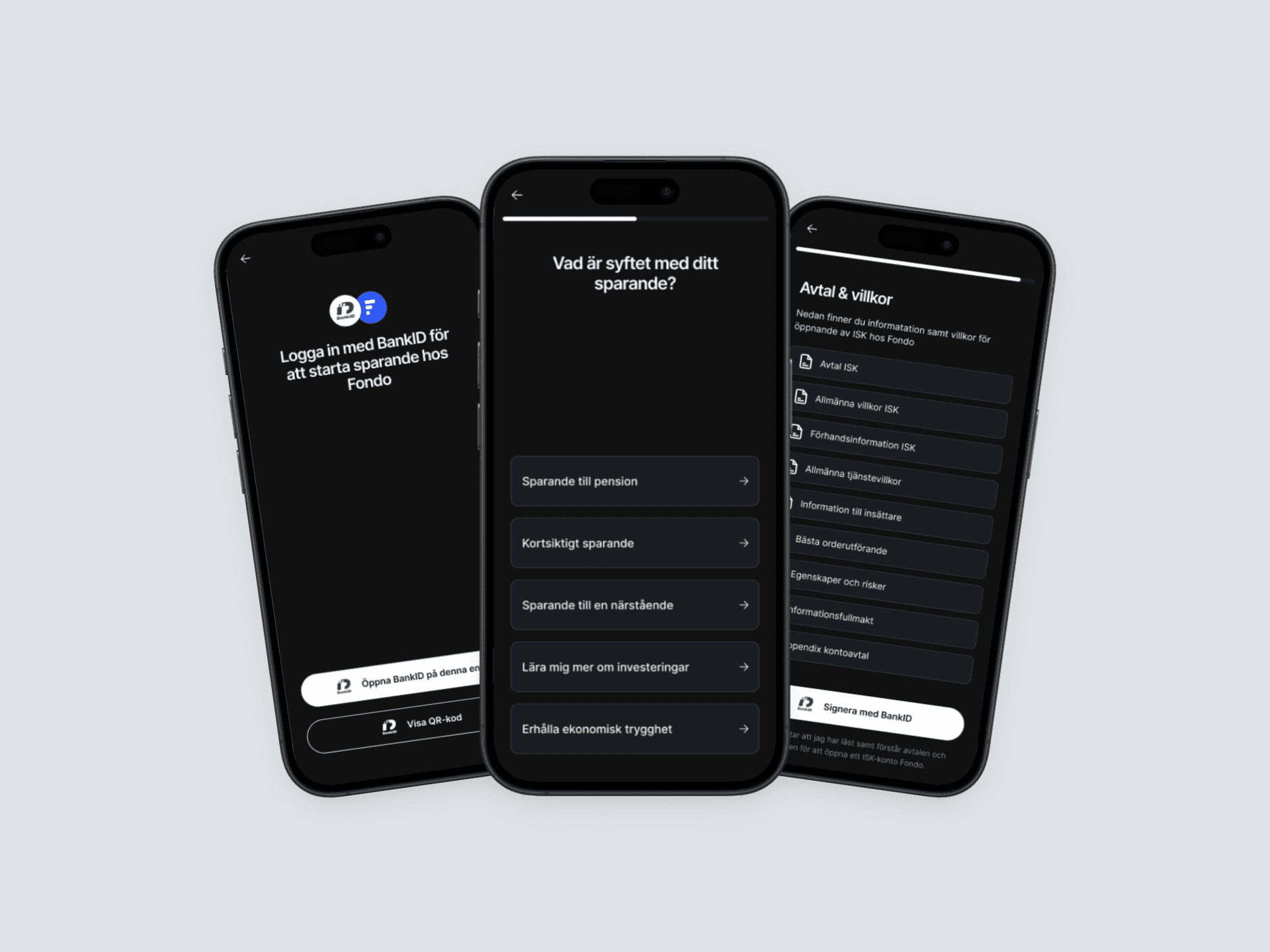
Designing embedded investment flows for fintech platforms
Product design for scalable, compliant partner integrations
More projects
Designing Swedbank's first digital savings advisory experience
Driving UX for regulated financial advisory flows
Redesigning and relaunching Fondo’s API Docs
Led a product-led redesign to improve UX, DX and onboarding
Redesigning and relaunching Fondo’s API Docs
Led a product-led redesign to improve UX, DX and onboarding
Designing embedded investment flows for fintech platforms
Product design for scalable, compliant partner integrations
Designing embedded investment flows for fintech platforms
Product design for scalable, compliant partner integrations